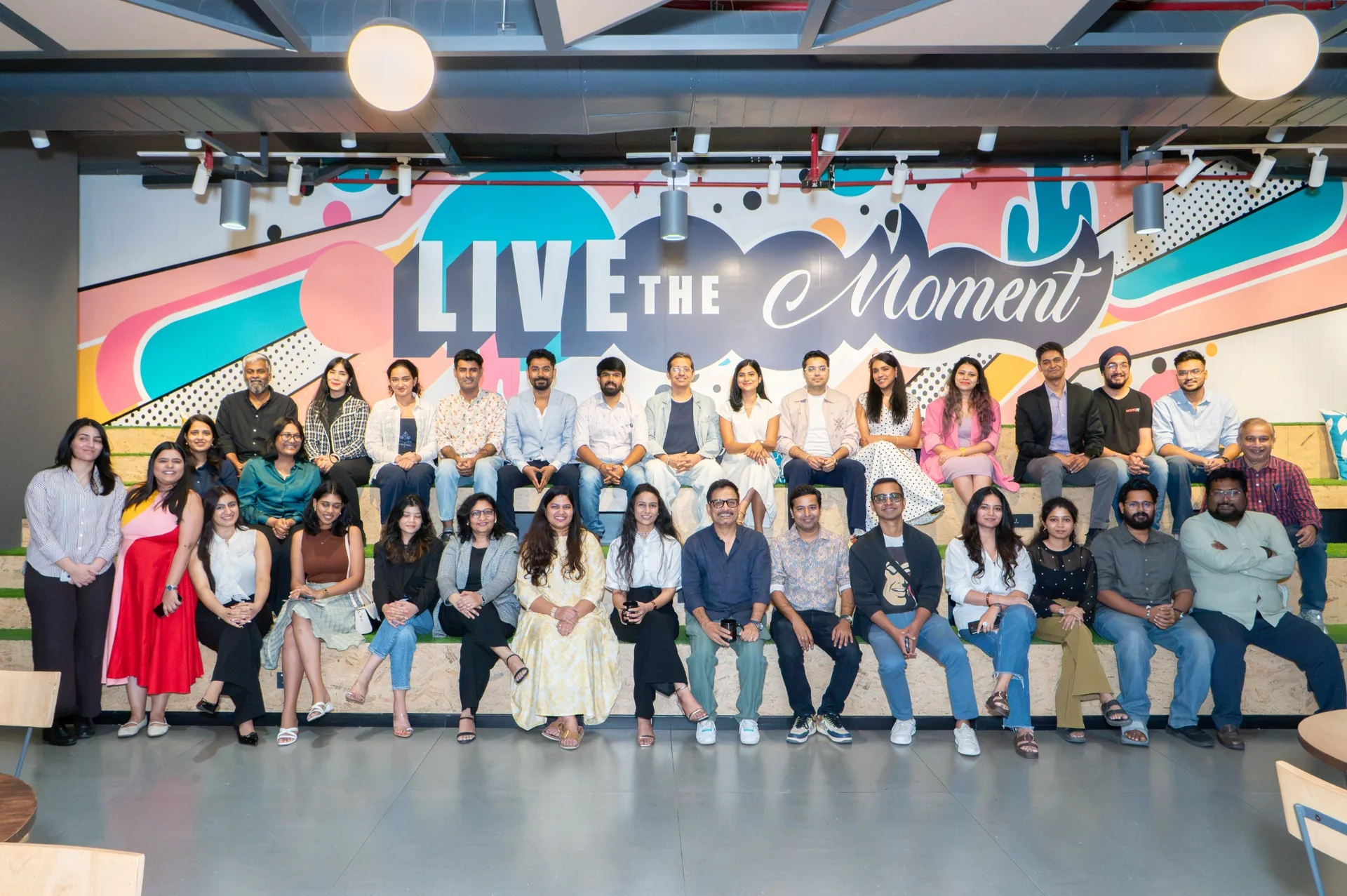
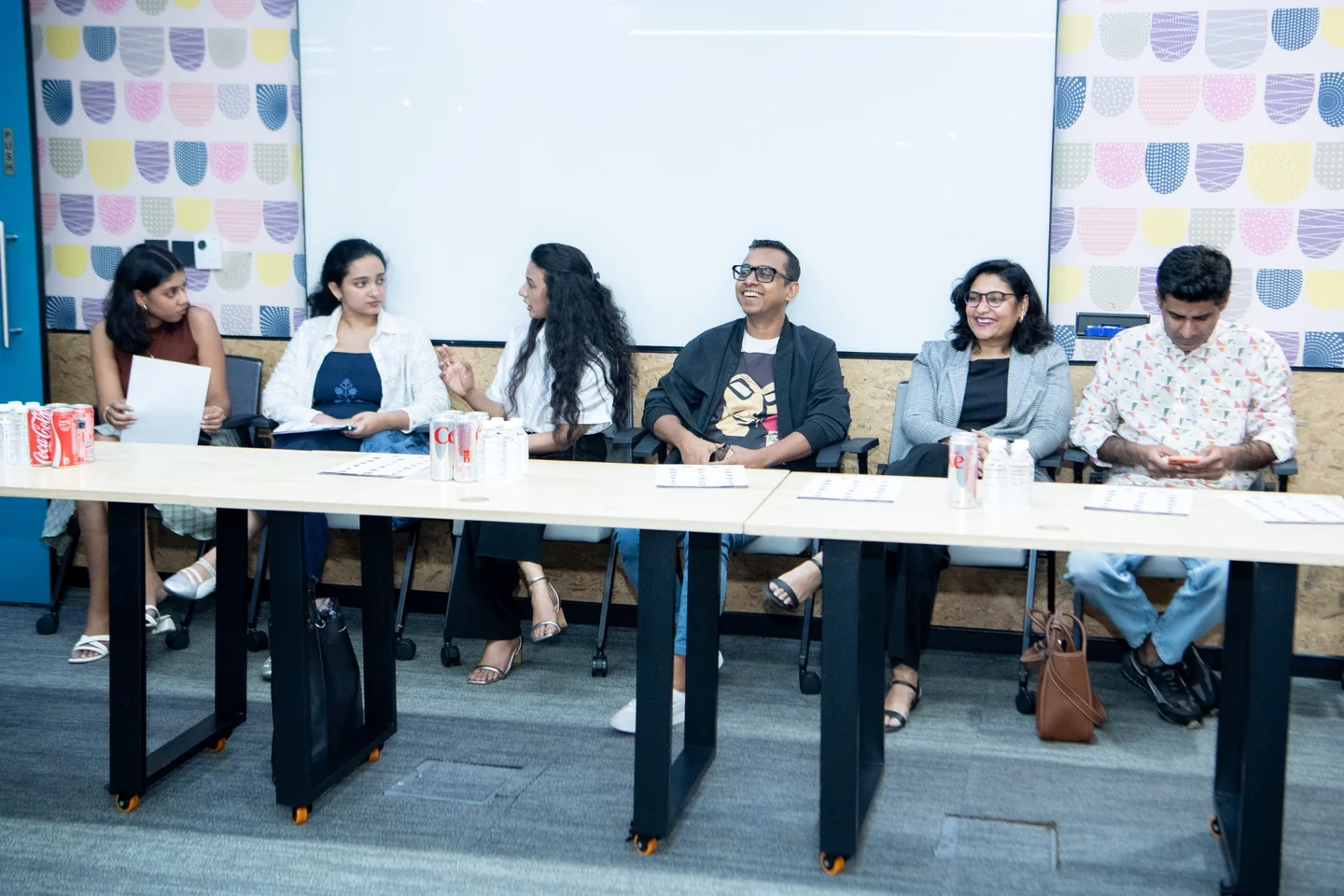
On 29 September 2026, Wooqer hosted the Bengaluru edition of Lessons From The Ground, bringing visual merchandising leaders together for a closed-door roundtable on turning creative concepts into consistent execution across stores.
The conversation brought together experience from fashion, jewellery, home and automotive. VM leaders shared how they coordinate with store teams, check display accuracy and use technology to spot execution gaps across locations.
LFTG creates space for specialists to compare approaches and learn from decisions made on the ground. At the Bengaluru gathering, the examples ranged from AI-assisted display checks to the effect of store lighting on silk displays. VM leaders explained the constraints behind their choices, giving others a chance to ask questions and consider different approaches.
Lessons from the roundtable
Check what’s on display before calling it done
The props may be in place, but are the right products displayed with them? VM leaders shared how they checked store photos against the brief and followed up wherever products were missing or incorrect. Store teams need a clear reference for the finished display. Feedback on their photos should show what needs correcting before the display is marked complete.
Use AI to spot what needs fixing
At Tata Motors, the VM team reviews Wooqer’s AI reports every day. The reports highlight displays that don’t match the guidelines and showrooms that need cleaning, helping the team see which stores need a follow-up and what needs to be corrected.
Give stores options that work for their customers
A product combination that works in one city may not work in another. Asking store teams about local buying patterns, available products and store conditions helps the VM team decide what each location needs. Using the same set of questions across stores makes it easier to compare regional needs and adapt the brief. Store conditions also influence changeovers: in some outlets selling expensive silk ethnic wear, exposure to natural light meant products needed to be moved every week.
Check that the display can be built and installed
Using AI to remove backgrounds from artwork helped teams prepare designs for display props faster. That left more time to choose materials and develop the displays. Before approving a design, teams still needed to check that it would fit the store, could be made with the available materials and could be installed on time. The approved design then needs to reach store teams with clear instructions on materials, placement and the finished look.
Start early, especially when vendors are busy
During the festive season, many brands need the same vendors at the same time. One approach shared was to work backwards from launch: start on concepts 60 days before, get approvals 30 days before, finish production 15 days before and dispatch seven days before. Each stage needs a clear owner and a progress check, so delays are followed up before they affect the store launch.
Networking after the roundtable
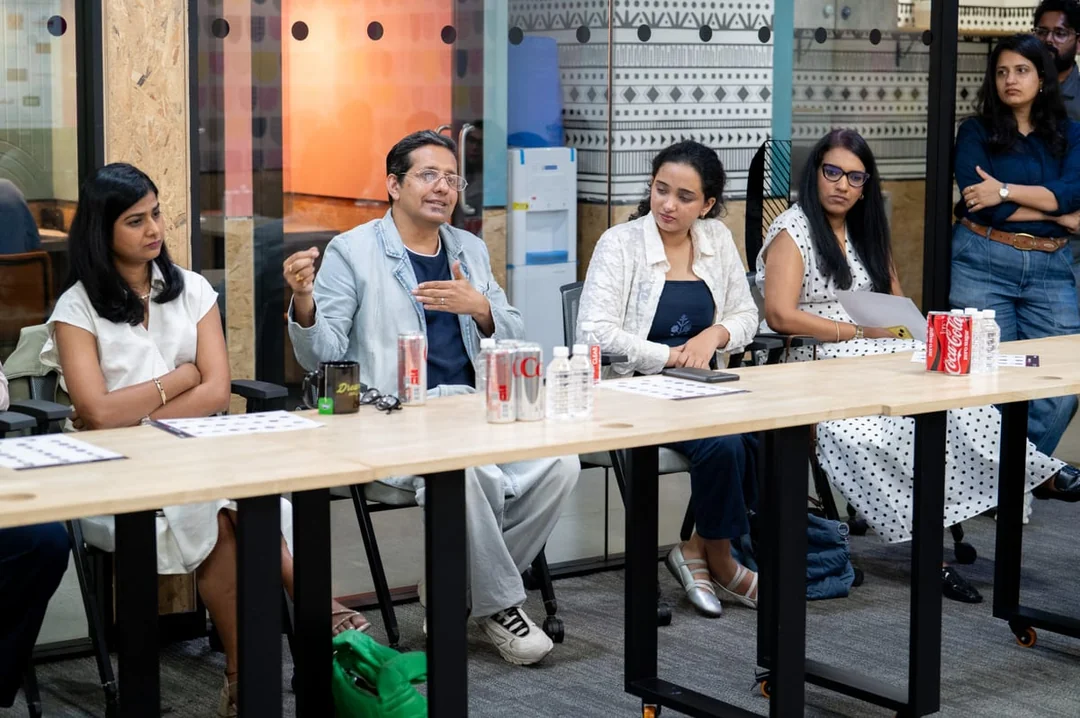
After the roundtable, attendees stayed back for informal conversations and networking. With specialists from fashion, jewellery, home and automotive in the room, there was time to meet peers beyond their own brands and categories.
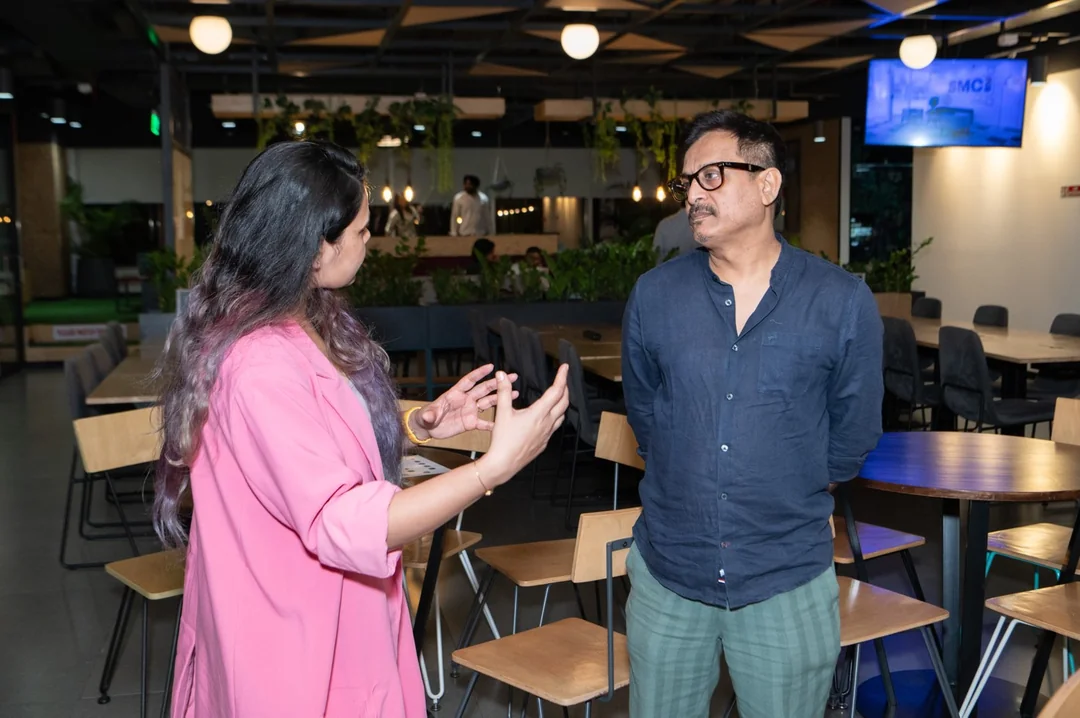
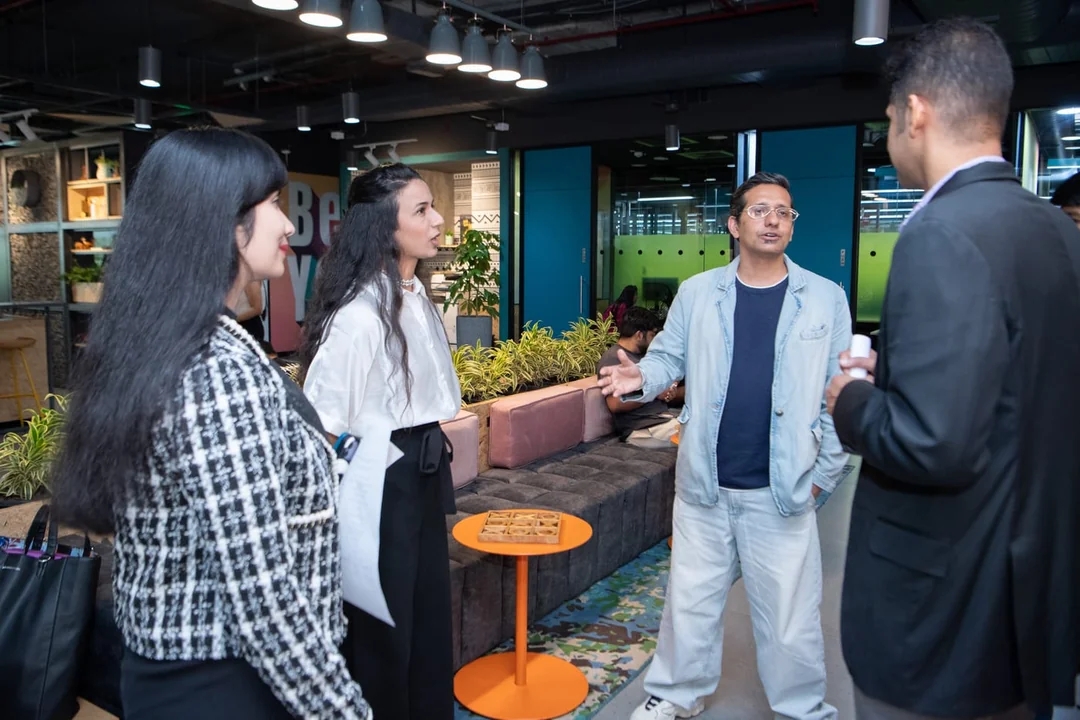
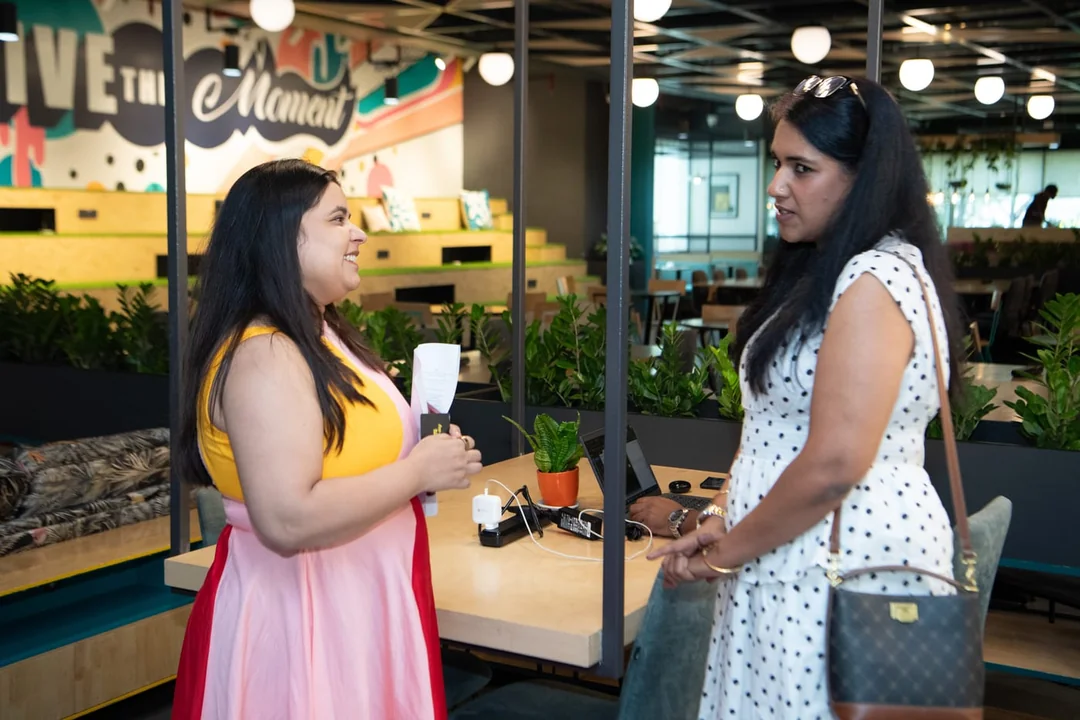
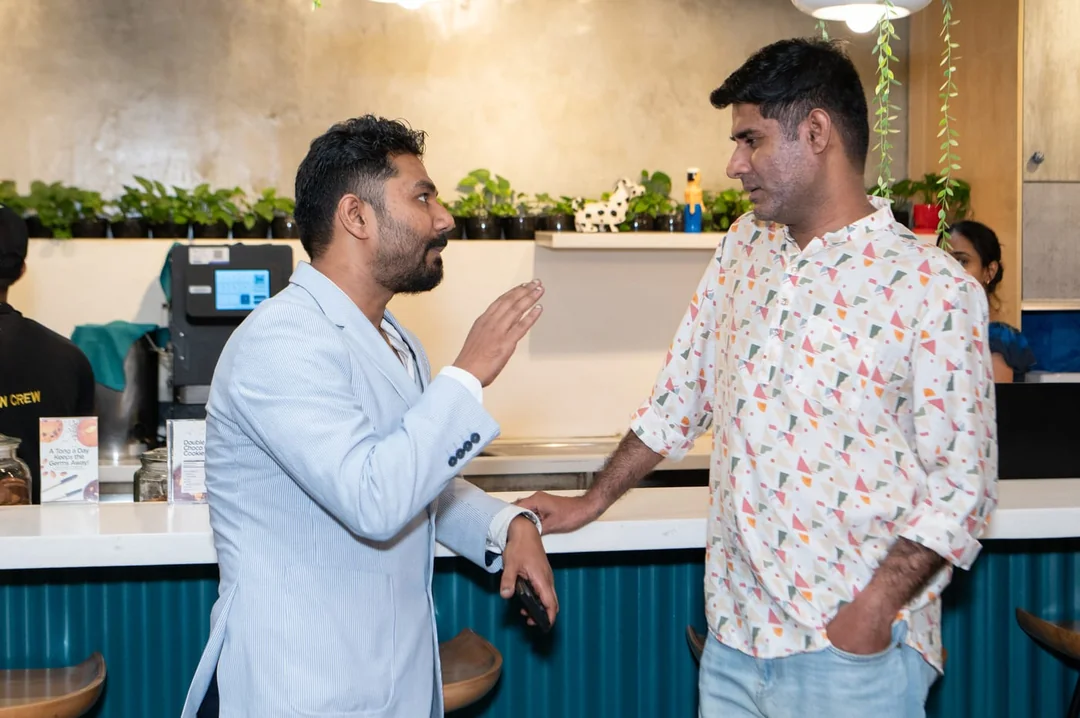
Time with peers
Space to exchange experiences, meet specialists from other brands and keep the conversation going.
LFTG gives VM leaders a forum to learn from one another and build connections across brands. The roundtable starts the exchange; the conversations continue beyond it.
Thank you to everyone who joined and shared their experiences so openly.
Faces and voices from LFTG Bengaluru
Meet the VM specialists who joined us, and hear how they approach execution on the ground.
Rashi noticed that store teams began correcting displays before uploading their photos to Wooqer. The same photos also let her show the brand head which pieces were displayed in each boutique, without waiting for a store visit.
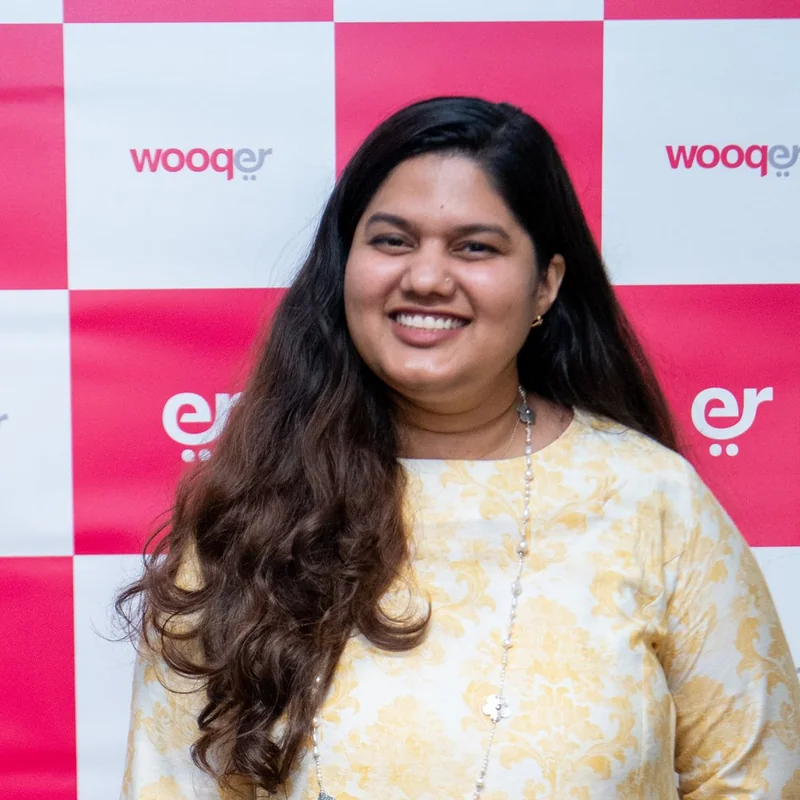
Rashi Saraf
Zoya, Titan
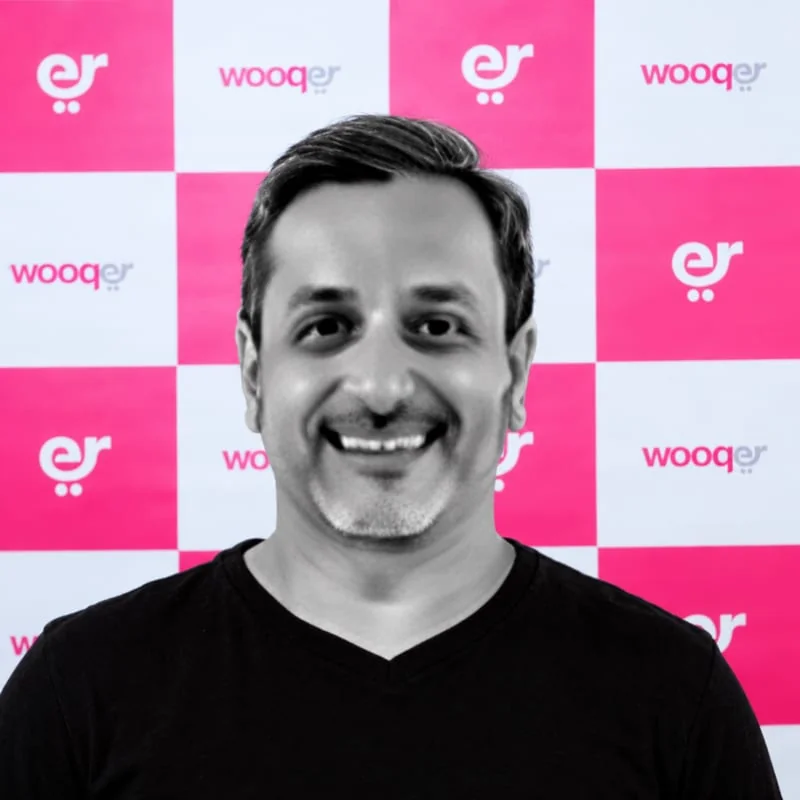
Rajib Dey
Reliance Trends
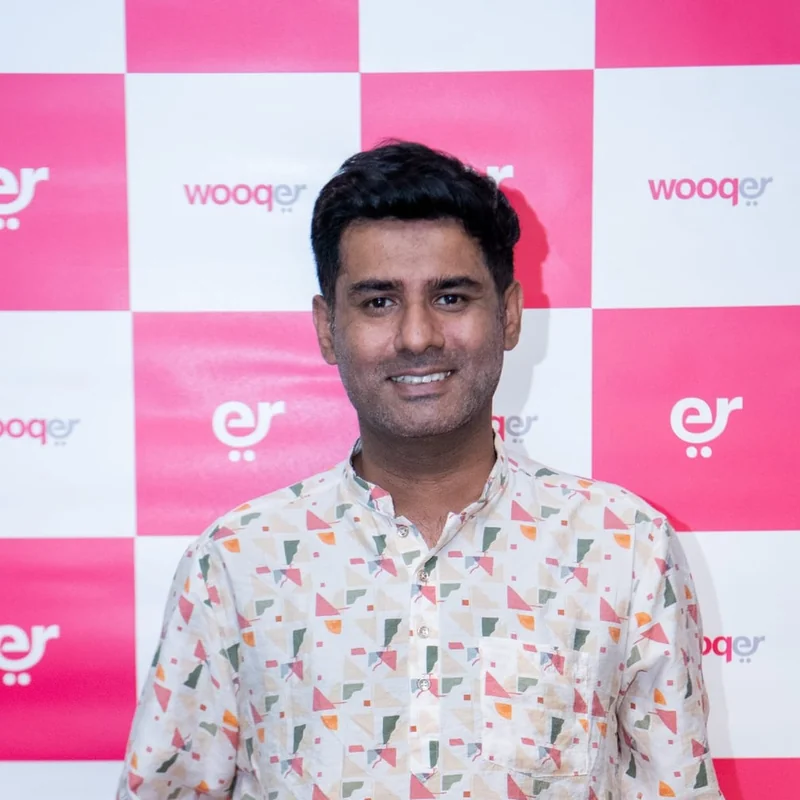
Yogesh Bherwani
GIVA
Soumyadip reviews Wooqer’s AI reports daily. They flag display and showroom hygiene issues for individual locations, helping him see what needs correcting rather than relying only on campaign completion numbers.
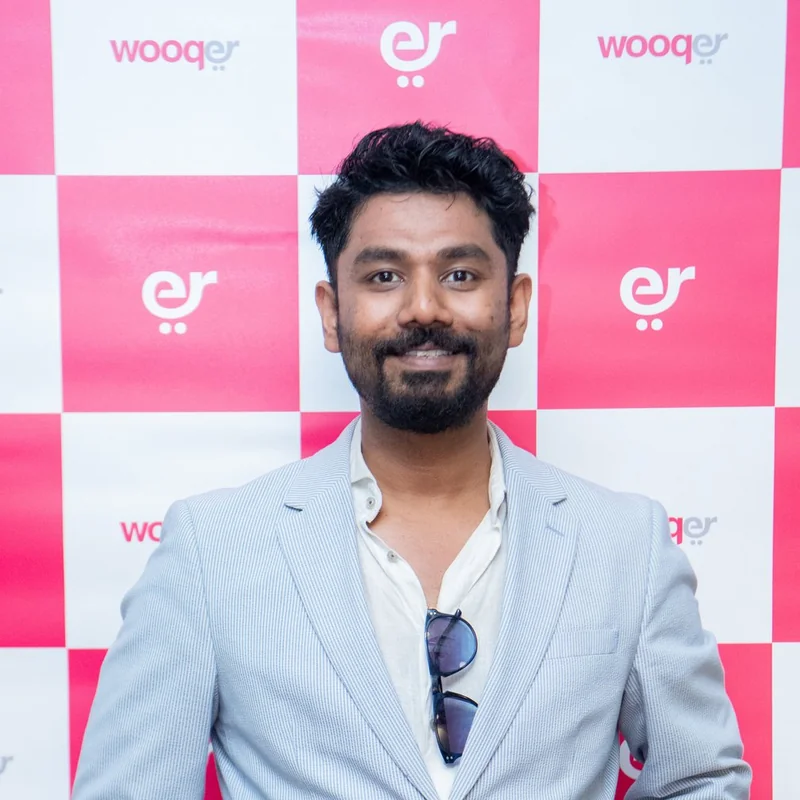
Soumyadip Mallick
Tata Motors
Akanksha balances design, concepts and rollout responsibilities across around 600 touchpoints with a small team. Seeing colleagues use Wooqer helped her consider technology as a way to ease the workload when additional manpower was limited.
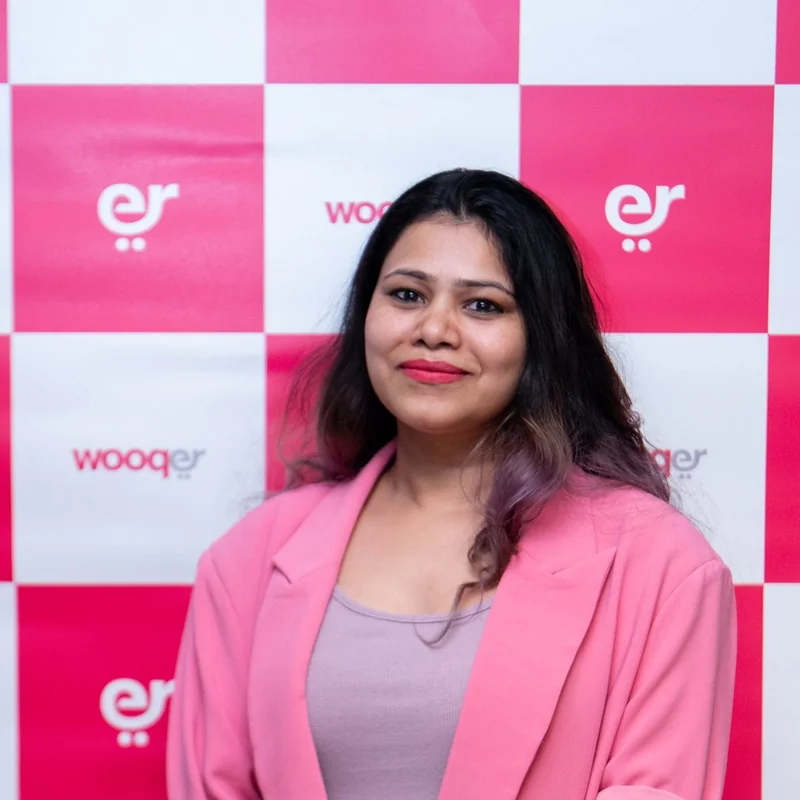
Akanksha Gupta
Titan Watches
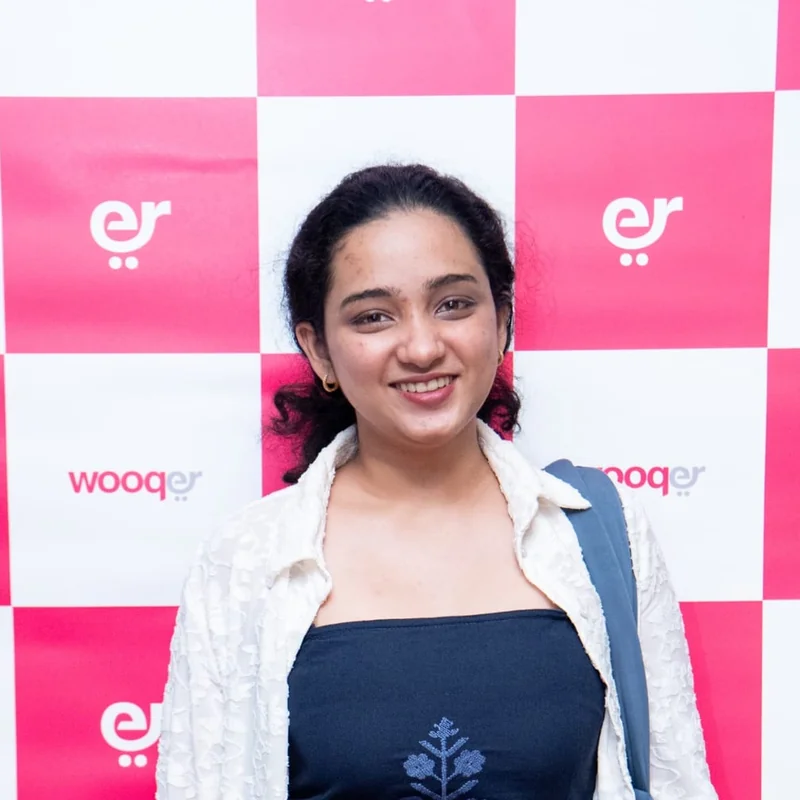
Rachel
Blissclub
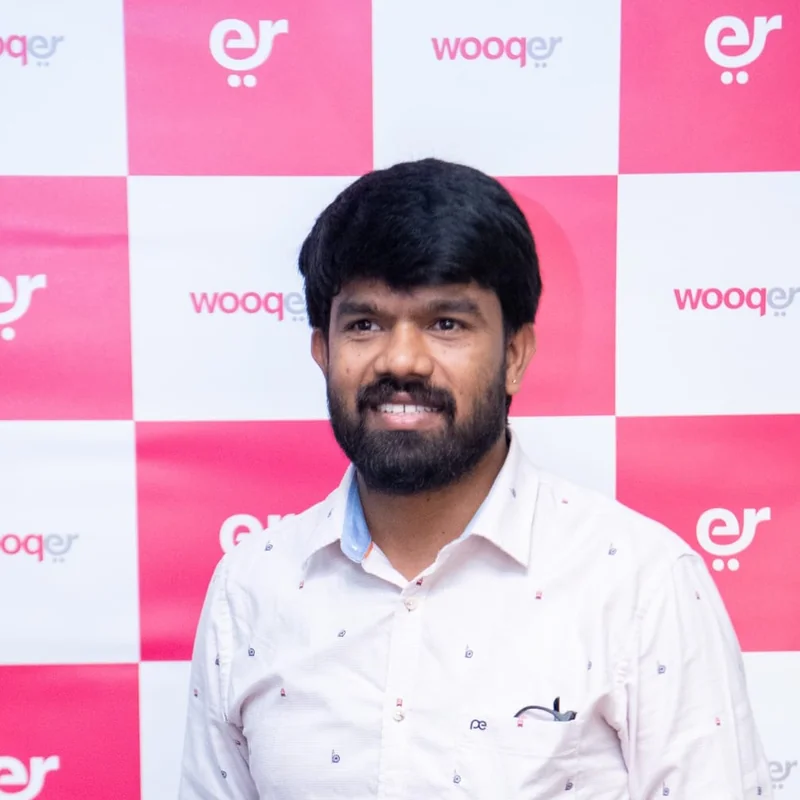
Rajendra V
Avantra and Kalanikethan
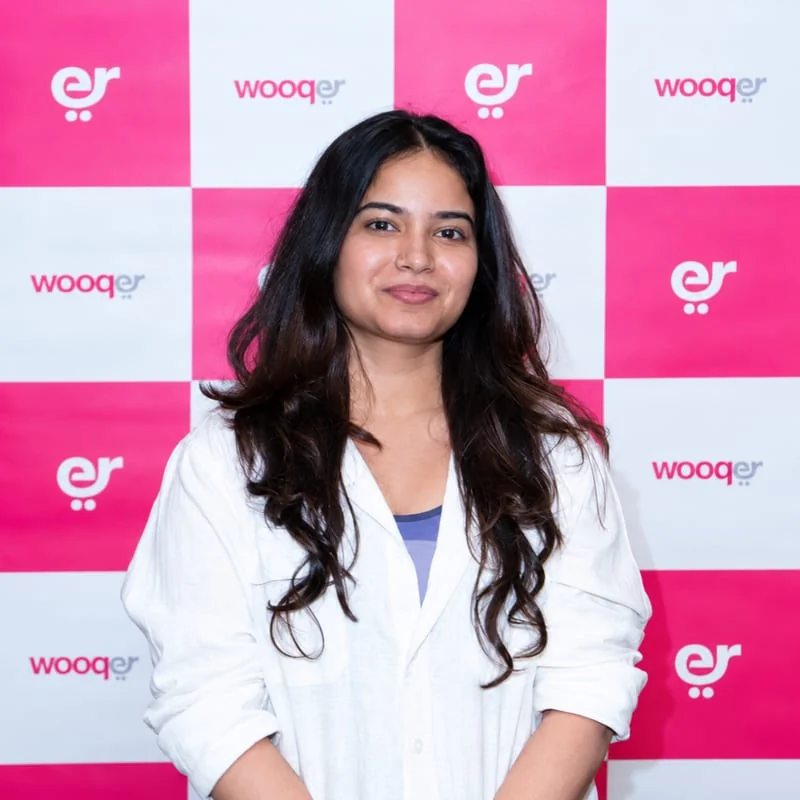
Rutuja
GIVA
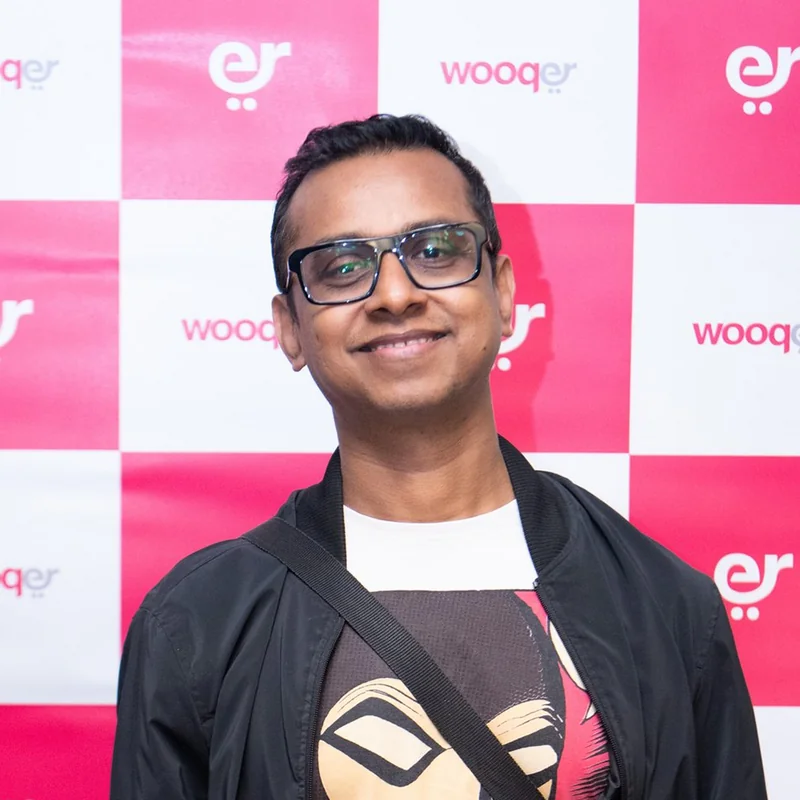
Nayan Bairagi
Landmark Group
Akash described AI as a way to bring automation and accuracy to design, operations and compliance, when the problem is clearly defined and the model is trained for it. Human judgement still gives the work its story and emotional resonance.
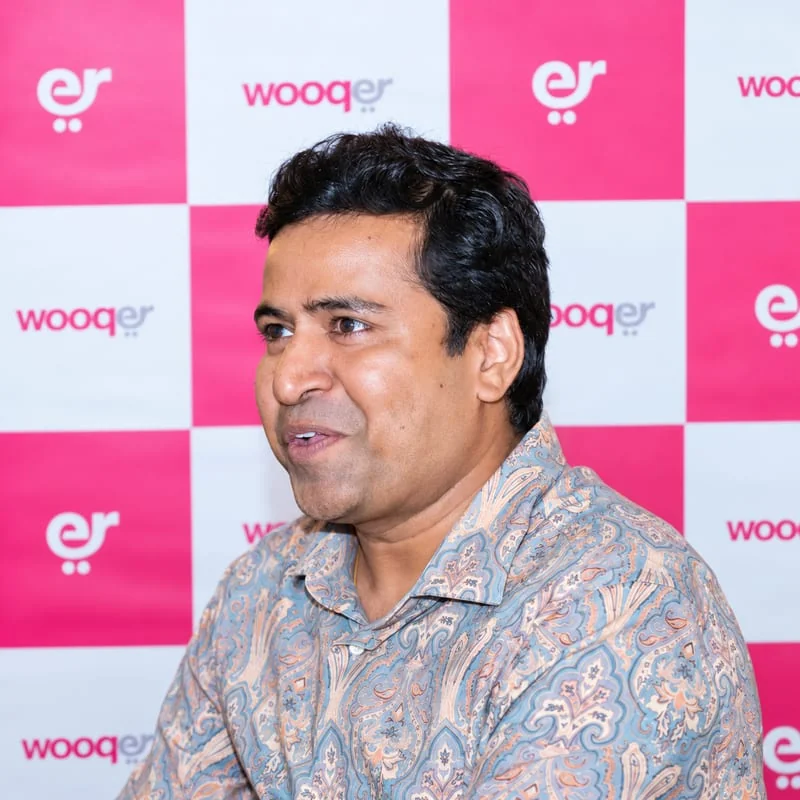
Akash Kumar
Formerly Lifestyle
At Chumbak, Manish works with marketing on the same artwork, fonts and offers for online and in-store campaigns. A dedicated VM operations team then takes the dockets to stores and handles execution, helping carry the campaign through to the store floor.
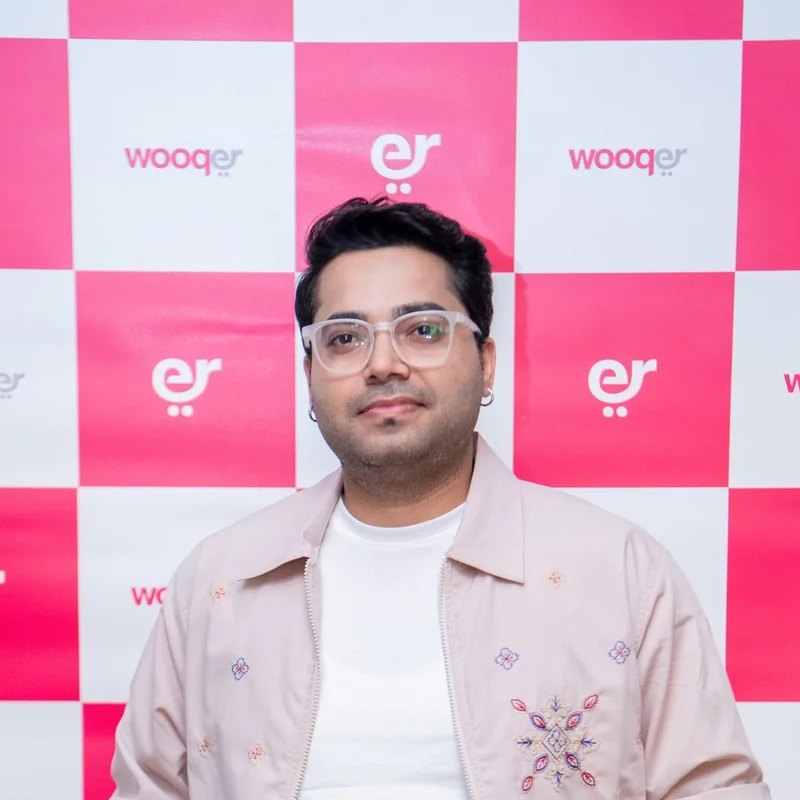
Manish Singh
Chumbak
At Wakefit, Nikki gives store teams multiple options that suit their local market and stay within the campaign concept. She asks her team to speak with store staff about customer behaviour and buying patterns before developing the VM approach.
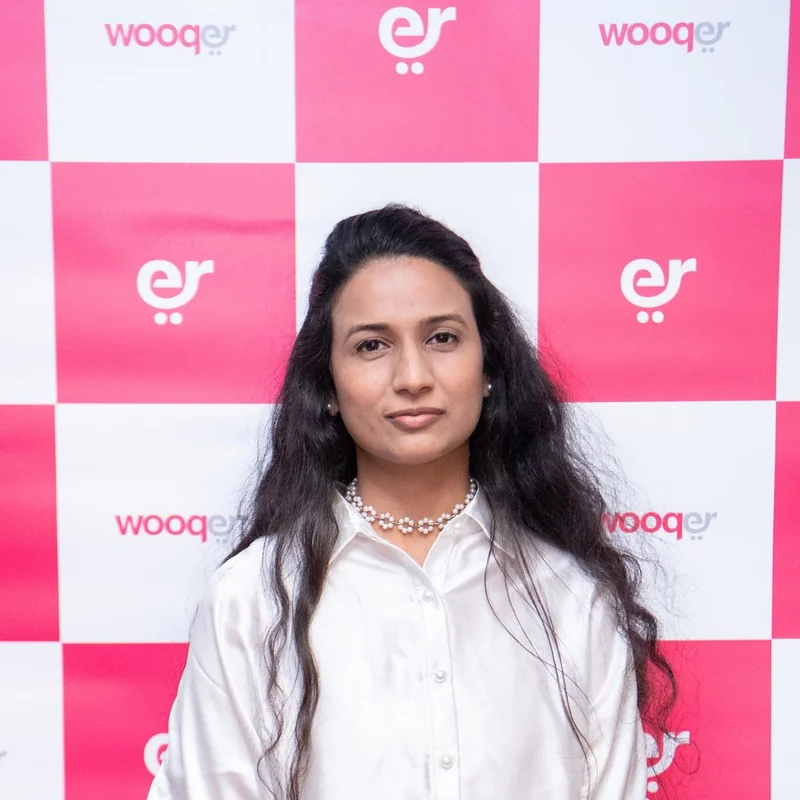
Nikki Gaur
Wakefit
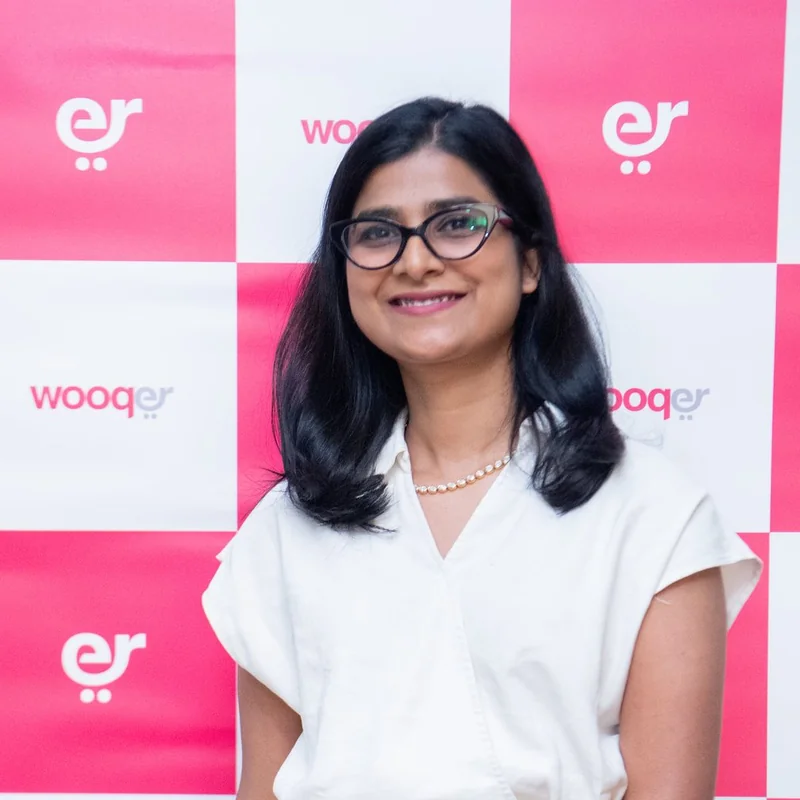
Panshu Priya
QWEEN Jewels
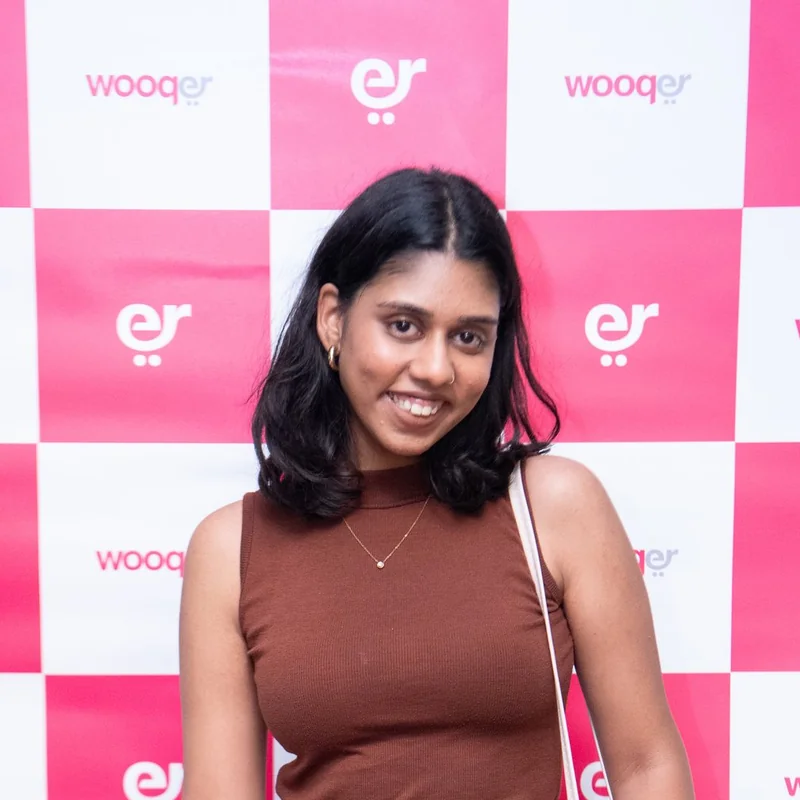
Saumya Srirangam
Sumangali Jewellers
Speaking about his earlier work at Pantaloons, Sumanta described checking the actual SKUs in store photos against the intended display. This helped the team identify incorrect products and focus follow-up on the stores with gaps.
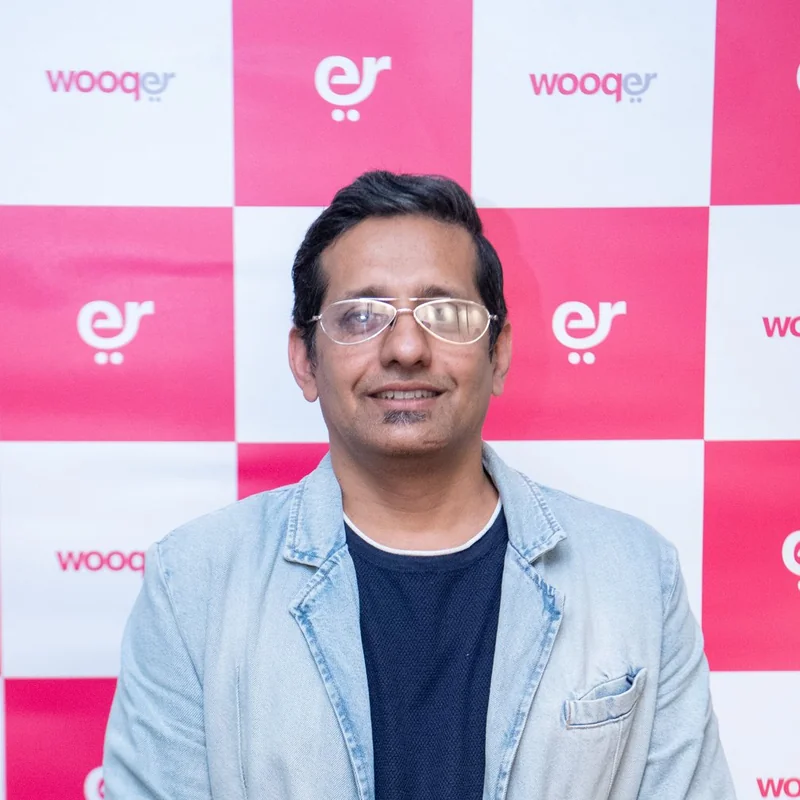
Sumanta Saha
Avantra and Kalanikethan
It was such a lovely evening. It was really insightful yet very candid.
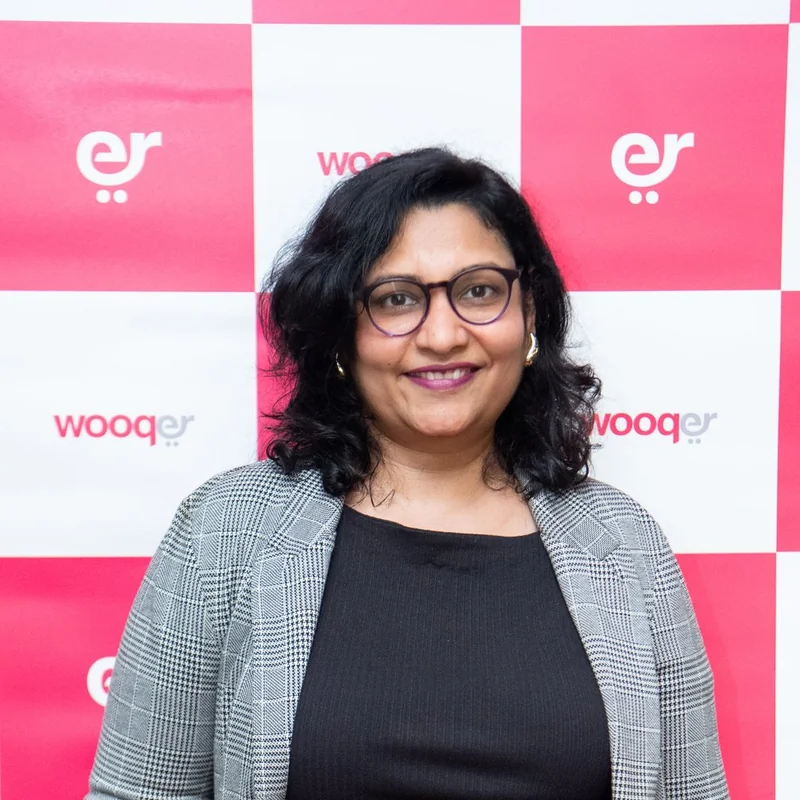
Rashmi Daluka
Babyshop, Landmark Group
It was a great event. We thoroughly enjoyed our time there.
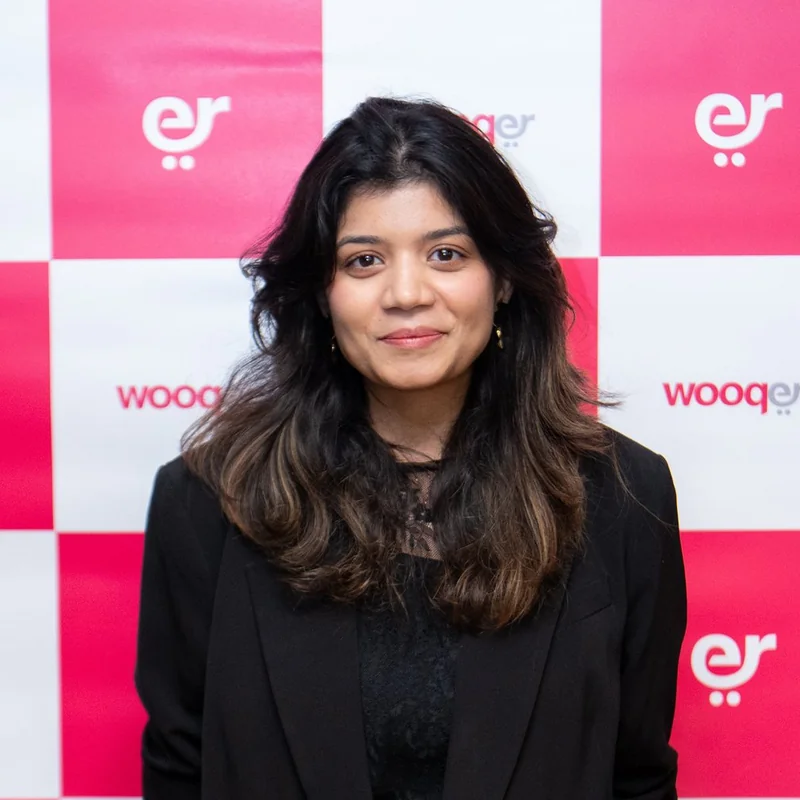
Pranoti Singh
Van Heusen Innerwear, ABLBL
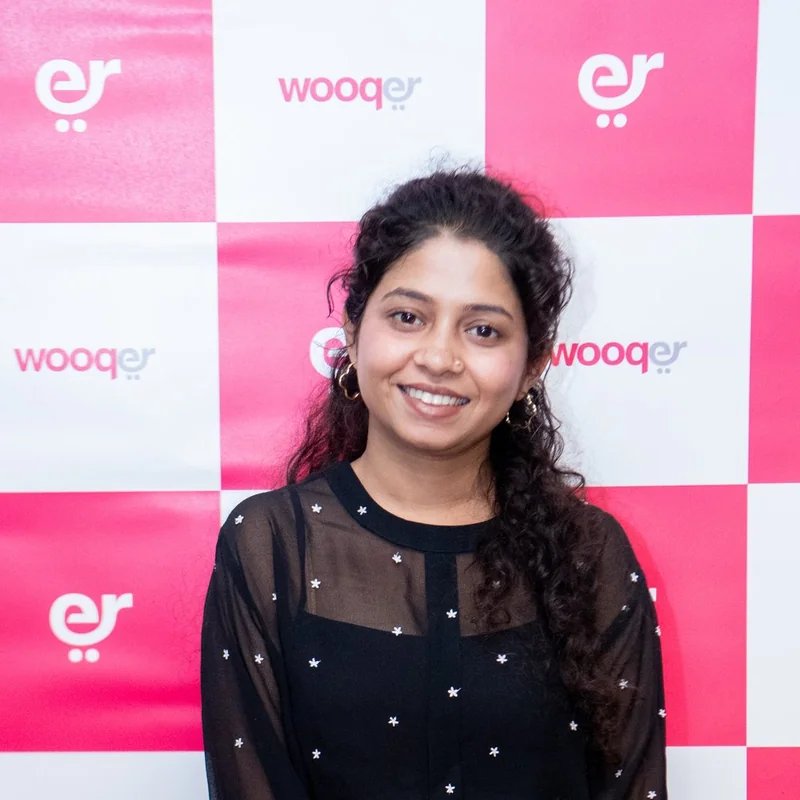
Garima Singhh Rajput
GIVA
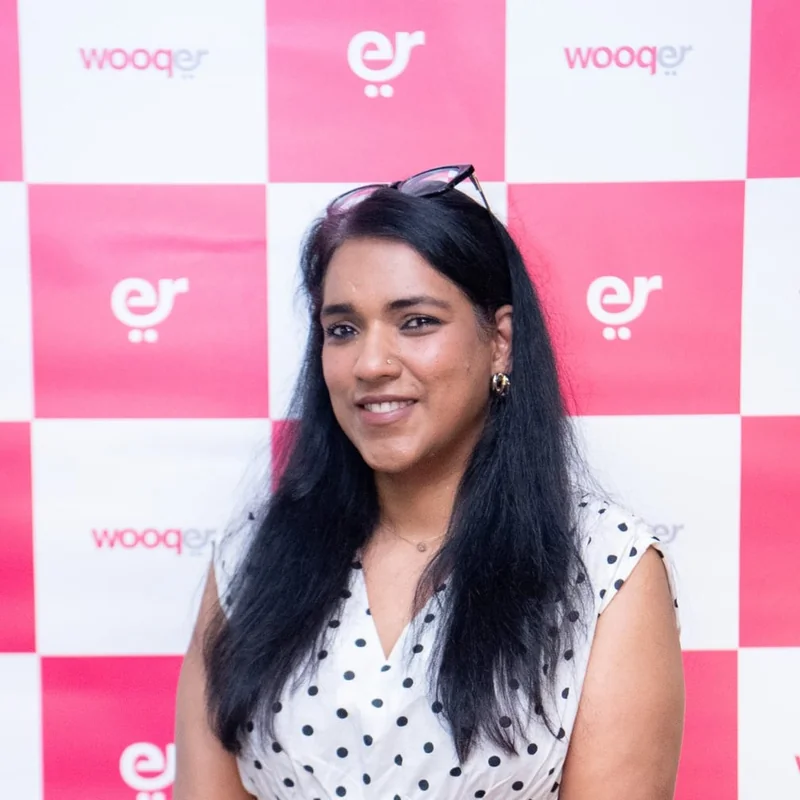
Shikha Scott
Formerly The House of Rare